
More Than Exercise: A Place to Connect
Individuals with an intellectual or developmental disability, according to a 2024 study, do not complete the recommended physical activity recommendations per week and studies say people with a disability do not feel welcome, at an alarming rate, in the fitness industry. Add to this the lack of development in social skills/interaction and the prevalence of people (of all ages) with Intellectual and developmental disabilities, we can see this is a large-scale problem that needs attention. Shooting Stars Special Needs Group’s programs were designed to address all of these areas with our special needs population…giving participants an outlet to get exercise/activity while building social skills and a connection to their peers and community. With your support, Shooting Stars can expand our reach to impact more families and special needs participants through our sports and social offerings!!
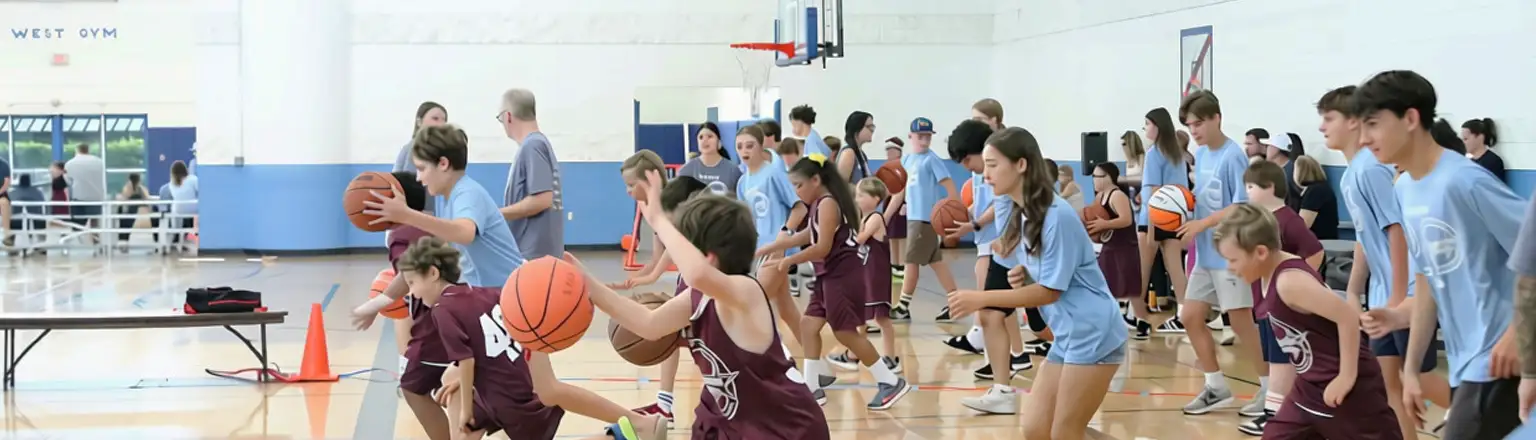
Shooting Stars does something simple yet life-changing: it hands our players a jersey and a place on a team. In that moment, they aren’t “special needs”—they’re teammates who belong. They feel pride. They feel seen.
For the volunteers standing beside them, something equally powerful happens. Barriers fall. They connect with the person, not the disability. Friendships grow. And slowly, the community around them becomes more open, more accepting, and more whole.
Exercise and Activity
Social Skills and Peer Interaction
Social Communication Barriers
Interpreting body language, tone of voice, abstract concepts, or subtle social cues can be challenging and result in awkward interactions, trouble initiating or maintaining friendships, and occasional social isolation.
Stigma and Attitudes
Misunderstandings about disabilities can cause non-disabled peers to distance themselves unless teachers/coaches actively guide inclusion.
Reduced Isolation
Sharing spaces helps prevent the high rates of social isolation and loneliness often experienced by students with special needs.
Shooting Stars Data
Special Needs Players:
90% player family overall experience being positive and found the volunteers, environments and activities engaging and enjoyable.
Volunteers:
100% positive response from volunteer parents on their child’s volunteer experience (96.7% 5 out of 5)
95% of volunteers experienced positive growth in confidence working with the special needs community (5 out of 5)
100% volunteers increased understanding of the special needs community (at least 4 out of 5)
96.7% would recommend Shooting Stars to others as a positive volunteer experience (5 out of 5)